 Change currency
 USD
USD  EUR
EUR
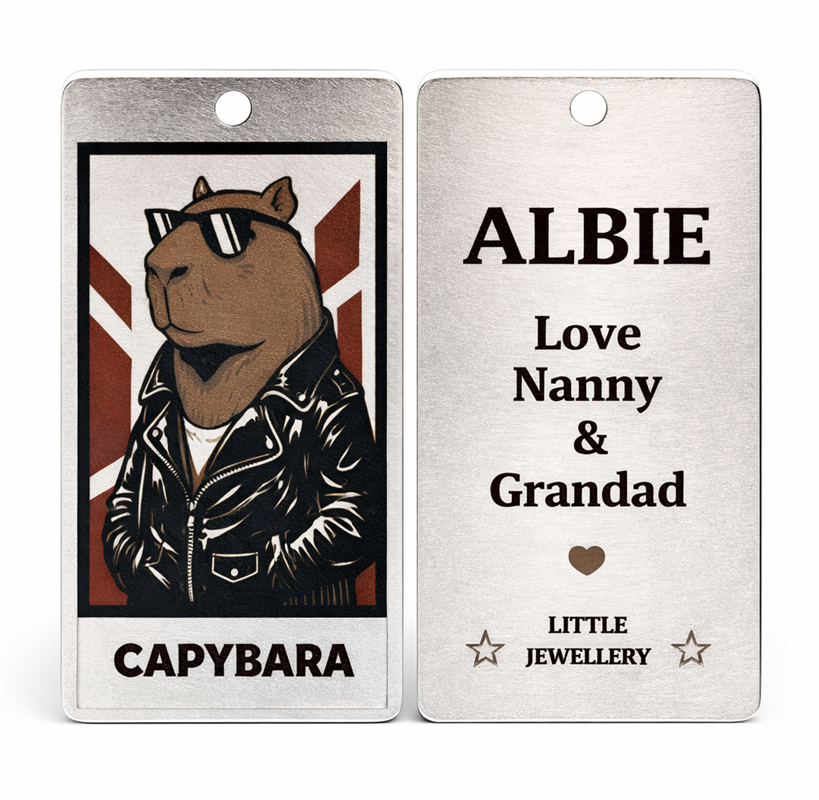
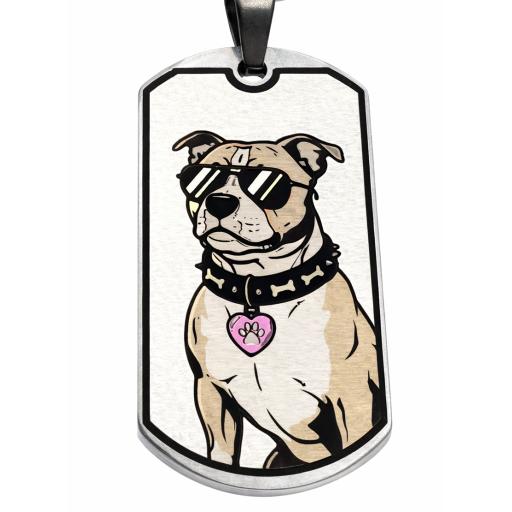
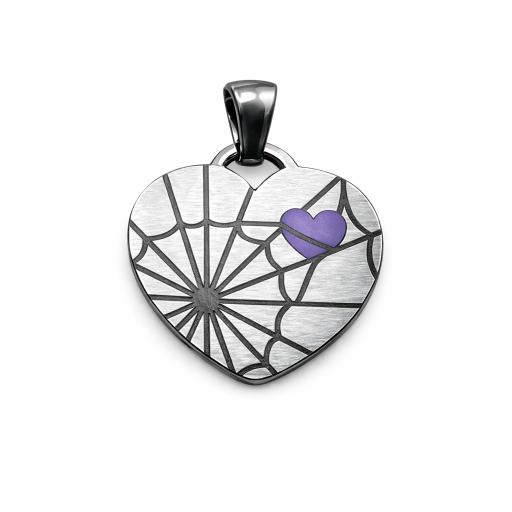
Colour engraving isn’t printed colour. It isn’t photo engraving. And it isn’t full‑colour artwork.
It’s solid, flat colour fills added into engraved shapes — perfect for:
icons
symbols
initials
simple artwork
bold shapes
clean outlines
Think of it like enamel‑style colour, not printed detail.
Colour engraving is great because:
it stands out more than plain engraving
it adds personality
it works beautifully on pendants and tags
it’s durable
it’s clean and bold
it’s perfect for simple designs
If you want something eye‑catching without going over the top, colour engraving is ideal.
Colour engraving is not suitable for:
photographs
detailed portraits
complex shading
multi‑colour gradients
tiny colour details
realistic images
If you want a photo engraved, you’ll need Black & White Photo Engraving — that’s the correct method for pictures.
Colour engraving is strictly for simple, solid shapes.
Here are some popular choices customers love:
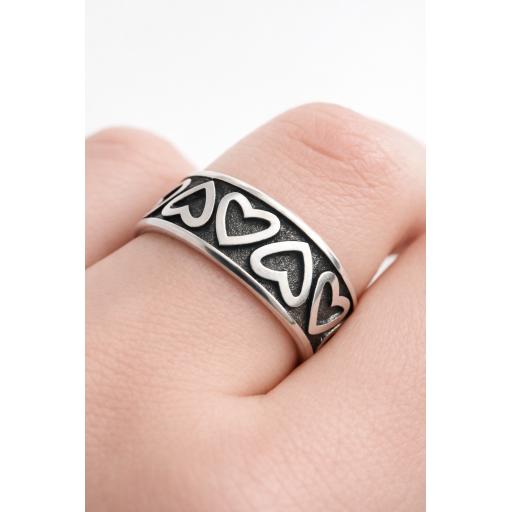
hearts
stars
initials
paw prints
simple animals
bold icons
geometric shapes
flags (simple versions only)
cartoon‑style outlines
If it’s simple, bold, and clean — colour engraving will look amazing.
We use a range of colours that work well on some metal surfaces. The most popular choices are:
black
white
red
blue
gold
silver
rose tones
Each colour gives a different feel — black is bold, white is clean, red is vibrant, and gold blends beautifully with metal.
Here’s the quick comparison:
| Feature | Colour Engraving | Black & White Photo Engraving |
|---|---|---|
| Best for | Icons, shapes, initials | Photos, faces, detailed images |
| Style | Solid colour | Monochrome detail |
| Detail level | Simple | High |
| Durability | Very high | High |
| Appearance | Bold & modern | Classic & sentimenta |
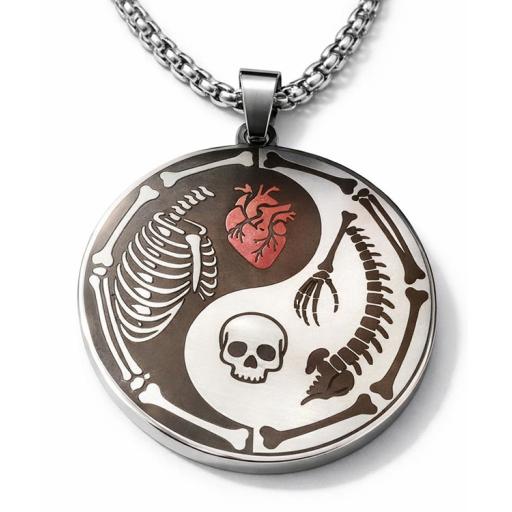
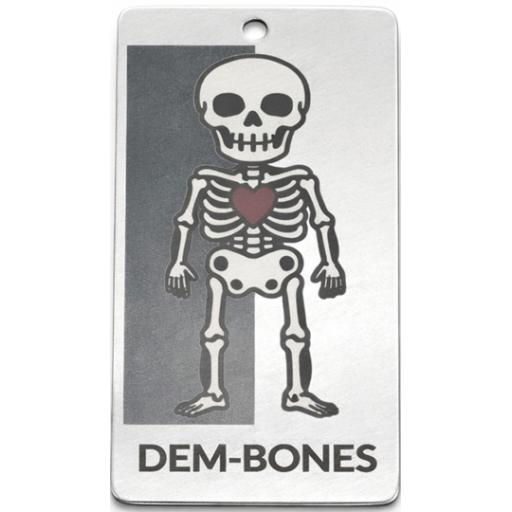
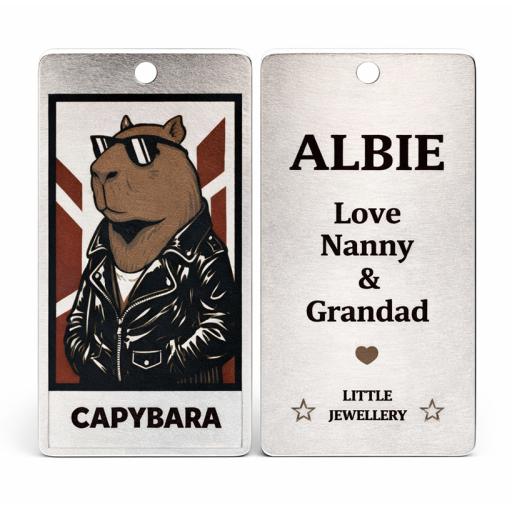
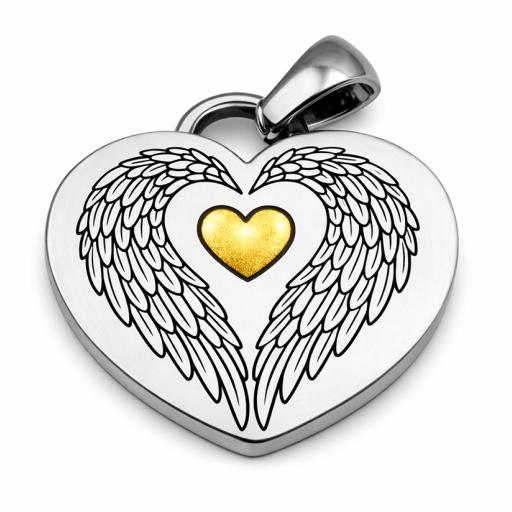
You can add colour engraving to many personalised pendants, tags, and jewellery pieces. Browse our products for inspiration for your next purchase. If you have an idea we don’t currently offer, or you’d like us to incorporate colour engraving into a unique design or add a splash of colour to a personalised message, drop us a message via our Laser Engraving Service page.
Colour engraving relies on heat‑reactive metal surfaces. Gold and silver simply do not react the way stainless steel does.
Here’s the real reason:
Colour engraving is created by controlled oxidation — the laser heats the metal surface and creates colour tones.
Gold and silver:
don’t oxidise into colours
don’t form stable colour layers
don’t react evenly
don’t produce blues, purples, golds, blacks, etc.
simply burn, pit, or discolour
They are too chemically stable to produce colour.
So instead of colour, you get:
dull marks
patchy burn spots
uneven surfaces
ugly brown/grey staining
Not good. Not sellable. Not predictable.
Colour engraving needs the laser to heat the surface, not bounce off it.
Gold and silver are extremely reflective:
they reflect laser energy
they don’t absorb enough heat
the colour reaction never forms
the engraving becomes shallow and weak
This is why photo engraving works on silver — but colour engraving does not.
Colour engraving creates a thin oxidised layer. On gold and silver, that layer:
doesn’t bond
scratches off
wears away
doesn’t stay stable
So even if you could force colour onto gold or silver, it would rub off within days.
Not acceptable for jewellery.
Colour engraving works beautifully on metals that:
absorb heat
oxidise predictably
form stable colour layers
have the right chemical composition
These metals include:
Best colour reaction Strong blacks Strong blues Strong purples Strong gold tones
Good colour reaction Softer tones Less dramatic colours
Weak colour reaction Mostly gold/blue Very stable metal = less colour
Excellent colour reaction Bright blues/purples Very stable colours
Colour is added into the anodised layer Very bright colours Very clean results
These metals react. Gold and silver do not.
So the short answer is, colour engraving doesn’t work on gold or silver because these metals don’t oxidise into colours. They are too stable, too reflective, and any colour layer simply wipes off. Colour engraving only works on heat‑reactive metals like stainless steel, titanium, and anodised aluminium — these metals absorb heat and form stable colour tones.